
10 Things Investors May Be Underestimating In 2026

10 Things Investors May Be Underestimating In 2026
Heading into 2026, markets feel a little strange. Not fragile. Not euphoric. Just… expensive and oddly calm.
The biggest surprise may be that nothing breaks. Policy remains supportive, liquidity is still there, and the economy keeps grinding forward. Late cycle doesn’t mean broken – it just means expectations matter more.
AI is still the market’s engine, but 2026 investors start asking uncomfortable questions. Not “can it change the world?”, but “who actually makes money?”. Power grids, data centers and raw materials are now part of the tech story whether investors like it or not.
Inflation hasn’t disappeared – it’s just quieter. Tariffs, geopolitics, supply chains, and infrastructure spending keep price pressures sticky enough that gold and commodities stop looking weird again.
Diversification also stops being a theoretical concept. When leadership is narrow and valuations are high, owning different things isn’t about being clever — it’s about staying invested when sentiment turns.
And maybe the most underestimated idea of all: fixed income isn’t dead. Boring income, shorter duration, and getting paid to wait can matter a lot when markets stop handing out easy wins.
2026 probably won’t be dramatic, but disappointment is easier when expectations are this high.
1. Late Cycle Doesn’t Mean Broken
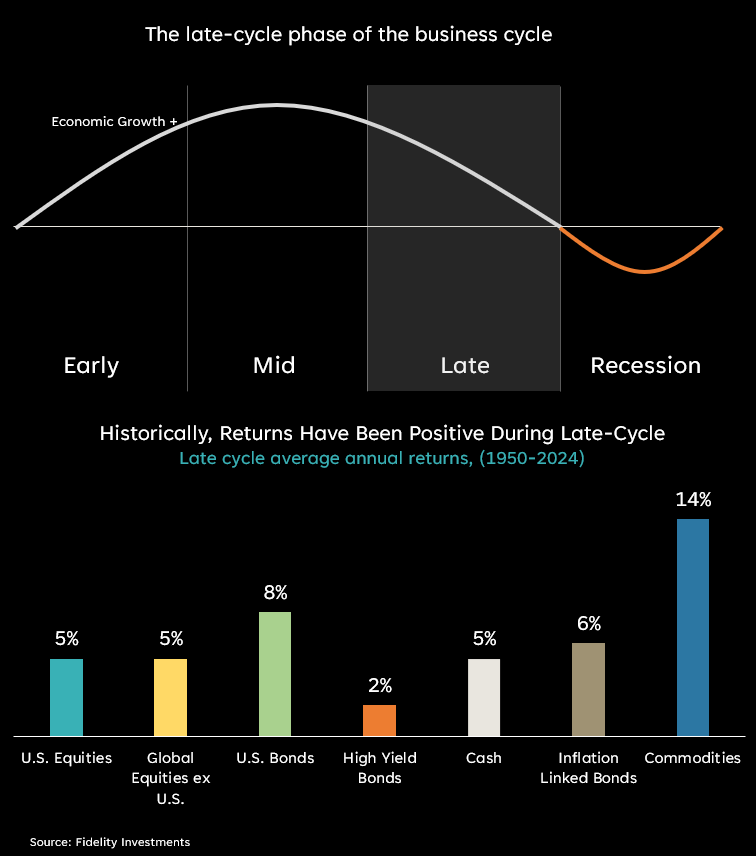
“Late-cycle” has become one of the most misunderstood phrases in investing. People hear it and think “get out”; when history suggests something very different. Late-cycle doesn’t mean the market is about to fall apart – it means returns become less forgiving and mistakes matter more. Policy is still supportive, liquidity hasn’t disappeared, and the economy continues to grow, even if it’s slower and messier.
That’s why markets have been so resilient despite all the reasons why they “shouldn’t” be. The real risk isn’t that the cycle ends tomorrow. It’s that investors assume the rules have changed permanently – that volatility is gone, that pullbacks won’t happen, and that patience is no longer required. Late-cycle markets don’t reward panic. They punish overconfidence.
2. Expensive Markets Can Still Work
Markets don’t stop going up just because valuations are high – they stop going higher when it gets harder to impress investors. When prices are rich, optimism is already baked in. Good news doesn’t move stocks as much, and bad news tends to matter more. That’s the environment investors are walking into in 2026. It doesn’t mean sell everything. It means reset expectations.
The days of easy multiple expansion are probably behind us, but that doesn’t mean returns disappear. It means fundamentals matter again. Earnings quality, balance sheets, and discipline, suddenly show up in performance. Expensive markets don’t crash on their own. They grind, rotate, frustrate, and test conviction. That’s usually where long-term investors either get bored – or get rewarded.

3. AI Is Still the Story
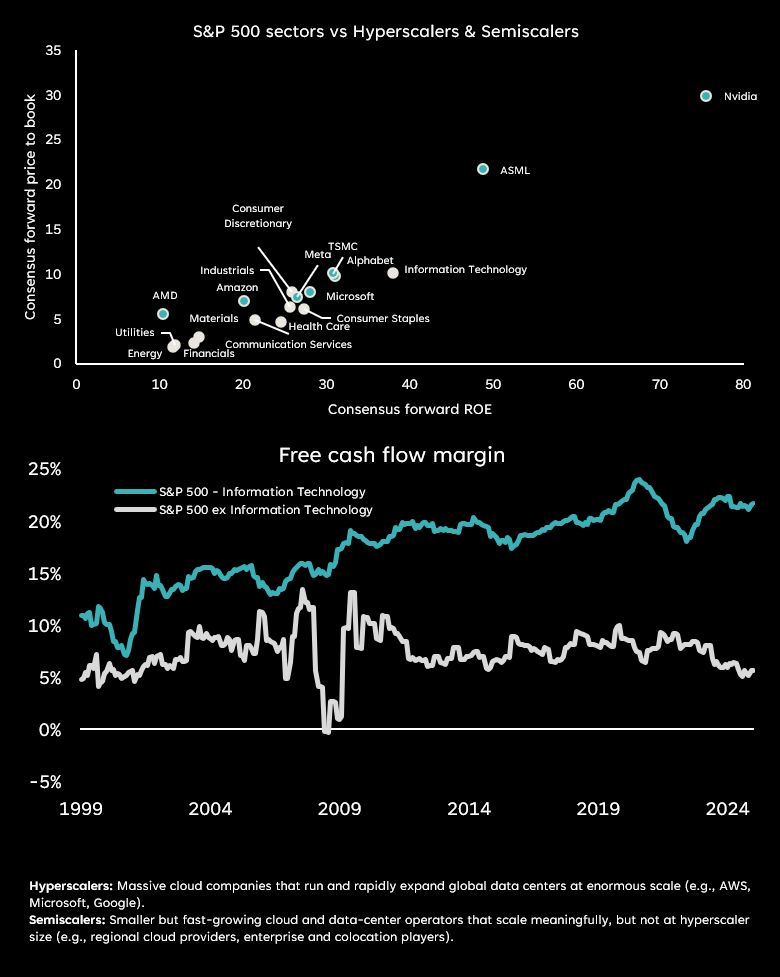
Every major market cycle eventually finds its narrative, and AI is clearly this one. That hasn’t changed. What has changed is the standard of proof. Investors aren’t asking whether AI will change the world – they’re asking who gets paid and when.
In 2026, AI moves from a belief system to a business model. That’s a good thing. It’s how real investment cycles mature. Some companies will justify the hype with earnings, efficiency, and scale. Others won’t. And that’s fine. Markets don’t need every participant to win – they just need enough winners to keep the engine running. AI isn’t fading. It’s growing up. And growth phases are where differentiation starts to matter.
4. Tech Needs Power (Literally)
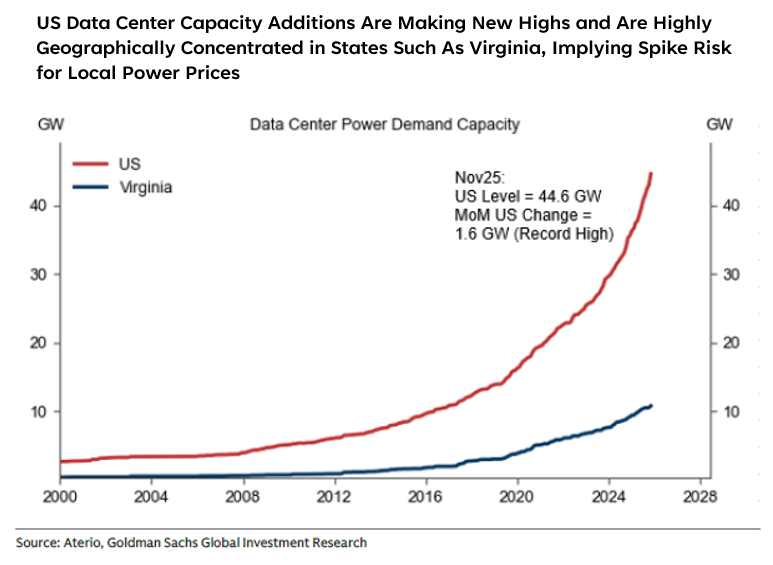
One of the quiet shifts investors may underestimate is that the tech story is no longer just digital. AI needs power – massive amounts of it. Data centers don’t run on optimism. They run on electricity, copper, steel, and real infrastructure. In 2026, the limiting factor for innovation may not be software, talent or funding – it may be grid capacity. That changes how investors should think about the opportunity set.
Utilities, industrials, materials, and energy infrastructure stop being “boring” and start being essential. The AI boom isn’t leaving tech behind – it’s pulling the real economy into the spotlight. And markets tend to reward whatever suddenly becomes indispensable.
5. Inflation Isn’t Gone
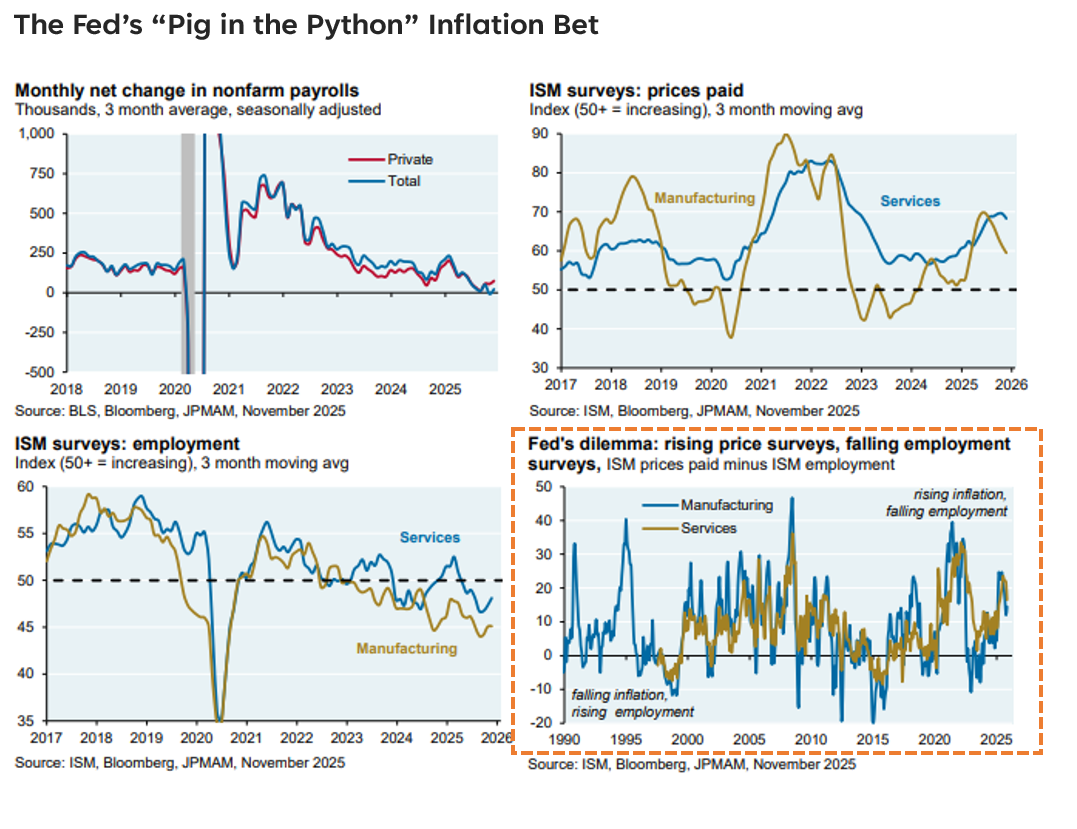
Inflation didn’t disappear. It just stopped making headlines. Prices don’t need to spiral out of control to matter – they just need to stay sticky enough to complicate decision-making. Tariffs, geopolitics, supply chain rewiring, and infrastructure spending all keep upward pressure alive. That’s why inflation expectations matter more than inflation prints.
In this kind of environment, ignoring inflation isn’t confidence – it’s denial. Investors don’t need to panic or abandon growth assets. But they do need to recognize that inflation is no longer a one-off event from the past. It’s part of the backdrop again. And smart portfolios acknowledge the backdrop instead of pretending it doesn’t exist.
6. Gold Isn’t a Doomsday trade
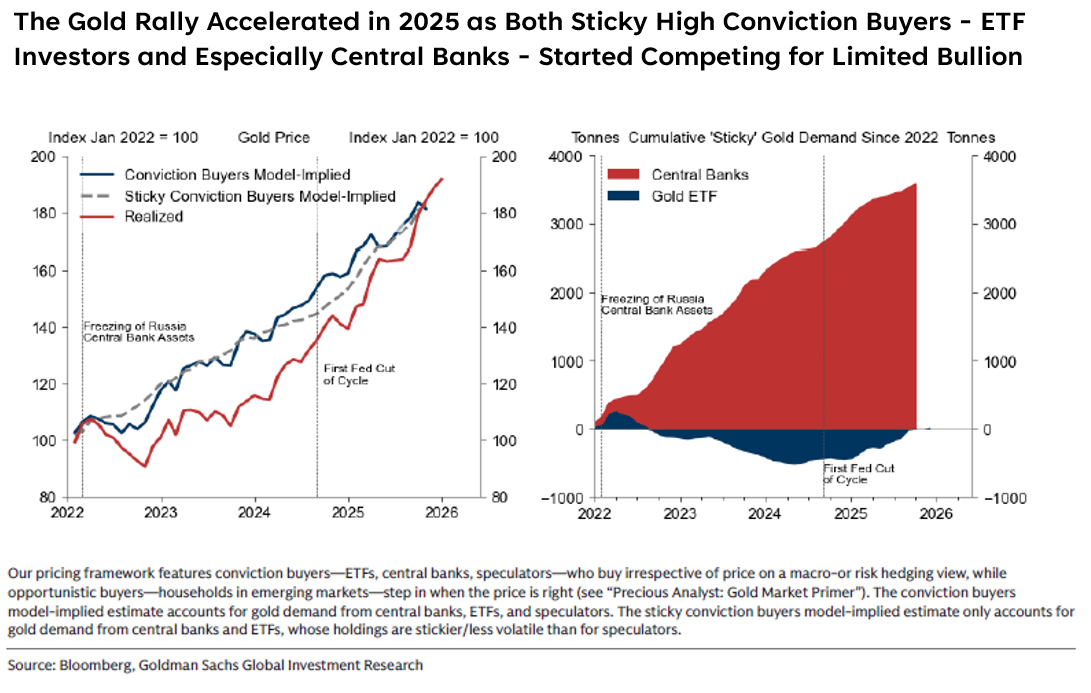
Gold used to be something investors only talked about during crises. That’s changing. Today, gold is increasingly viewed as insurance against policy mistakes, currency uncertainty, and geopolitical risk – not the end of the world. Central banks understand this, which is why they keep buying.
For investors, gold isn’t about predicting disaster. It’s about admitting that the world isn’t as stable or predictable as it once seemed. In portfolios dominated by equities and bonds, gold plays a different role: it doesn’t need to outperform everything – it just needs to show up when confidence wobbles.
7. Diversification Matters Again
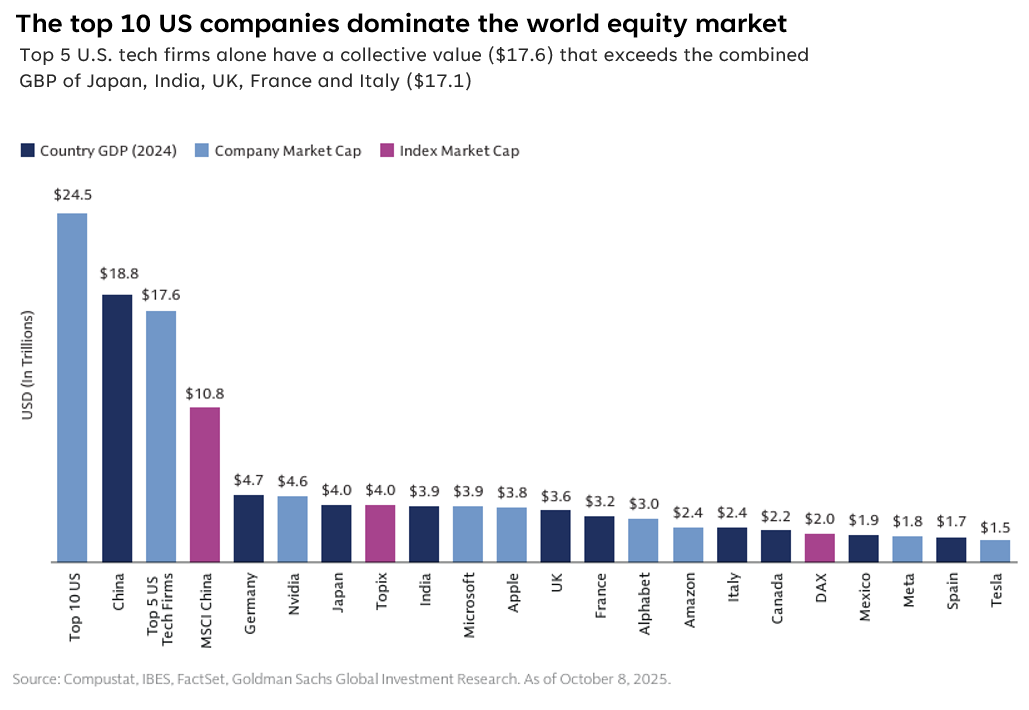
Diversification always sounds smart – right up until it feels unnecessary. When a small group of stocks dominates returns, owning anything else feels like a mistake. But that’s usually when diversification quietly becomes most important. Concentration works until it doesn’t. And when leadership changes, it often changes faster than investors expect.
Diversification isn’t about predicting which region or sector will win next. It’s about reducing regret when leadership rotates. In 2026, owning different styles, sectors, and regions isn’t a hedge against disaster – it’s a hedge against narrow thinking.
8. The U.S. Isn’t the Only Game in Town
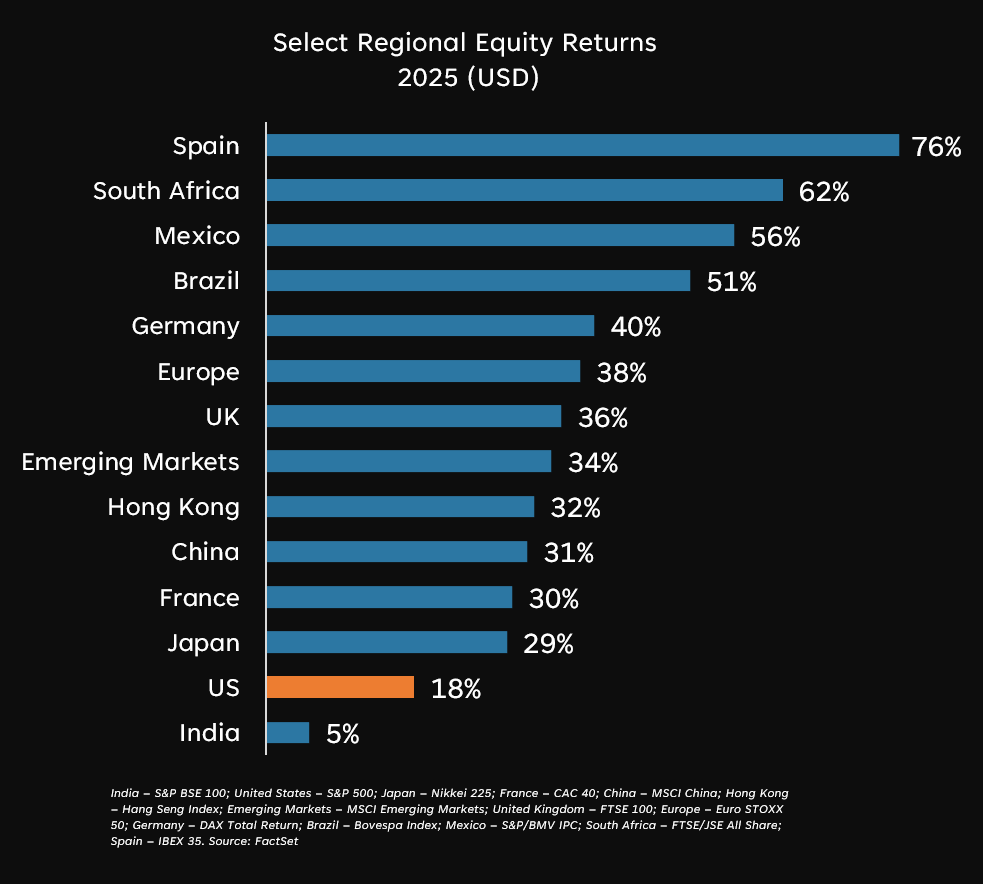
The U.S. remains the world’s largest equity market – but size doesn’t mean exclusivity. Other regions don’t need to outperform dramatically to matter. They just need to behave differently. Europe, Japan, and select emerging markets offer diversification when U.S. leadership narrows. That doesn’t mean abandoning the U.S. or chasing fads. It means recognizing that global markets don’t move in lockstep forever.
When U.S. valuations are elevated and expectations stretched, even modest outcomes in other markets can contribute meaningful stability. At times, the primary value of international exposure is not outsized returns, but diversification and downside resilience.
9. Income Is Back
For years, income investing felt like a waste of time. Growth dominated, yields were low, and patience was optional. That world is gone. In 2026, income does real work again. Short-duration credit and high-quality bonds won’t make headlines, but they can smooth portfolios when equity returns become uneven. Income strategies do not need to outperform equities to be effective; their role is to help investors remain invested through market cycles. Being compensated for patience is not a drawback when market conditions tighten -it is a deliberate and strategic choice.

10. The Real Risk Is Expectations
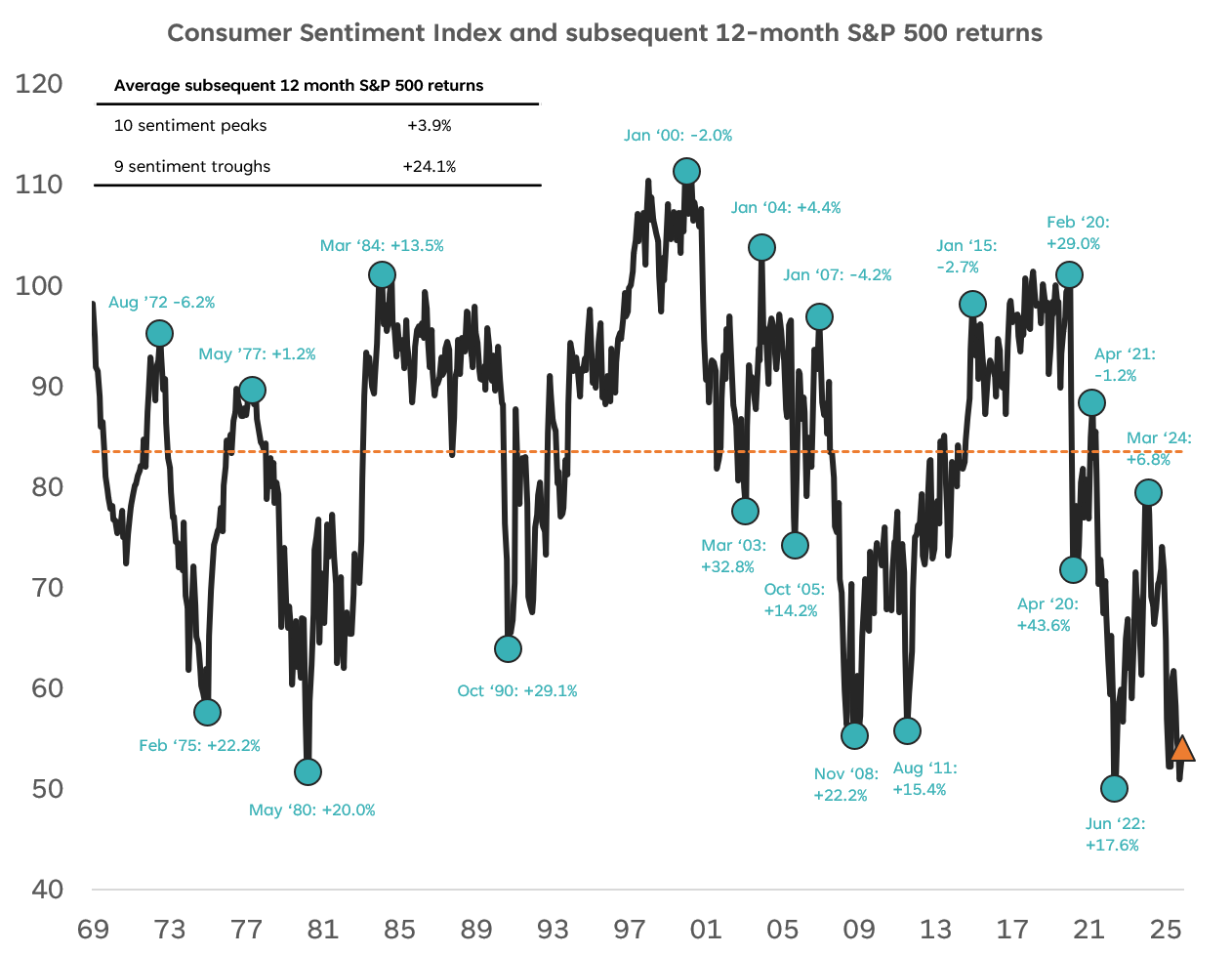
The biggest risk heading into 2026 probably isn’t a recession or a crash. It’s disappointment. When expectations are high, markets don’t need bad news – they just need news that isn’t good enough. That’s how pullbacks happen without obvious catalysts. Investors tend to underestimate how much psychology matters when prices are elevated. The goal isn’t to avoid risk. It’s to avoid complacency. Markets reward realism far more consistently than optimism.
Related Posts



Disclaimer
Any reference to regions/ countries/ sectors/ stocks/ securities is for illustrative purposes only and not a recommendation to buy or sell any financial instruments or adopt a specific investment strategy. The views and opinions contained herein are those of the individuals to whom they are attributed and may not necessarily represent views expressed or reflected in other Southern Rock Capital Limited communications, strategies or funds. The information and opinions contained in this document are provided in good faith and are based on sources believed to be reliable. However, Southern Rock Capital Limited does not provide any guarantee regarding the accuracy or completeness of the information or opinions expressed herein. Southern Rock Capital Limited will not be held liable for any claims, damages, losses, or expenses incurred directly or indirectly by investors or their financial advisors as a result of reliance on the information contained in this document. It is important to note that Southern Rock Capital Limited does not serve as the investor's financial advisor and has not conducted a financial needs analysis. Therefore, investors and financial advisors should carefully evaluate whether the information provided in this document is appropriate for the investor's objectives, financial situation, and specific needs. Any guidance offered may have limitations in terms of suitability. Investors should be aware that no assurances of investment performance or capital protection can be inferred from the information provided in this document. It is advisable for investors to exercise caution and conduct their own research before making any investment decisions.
Southern Rock Capital Limited is authorised and regulated by the Mauritius Financial Services Commission.
